Touchscreen Challenges Reshaping Roulette Betting Approaches in Live Settings
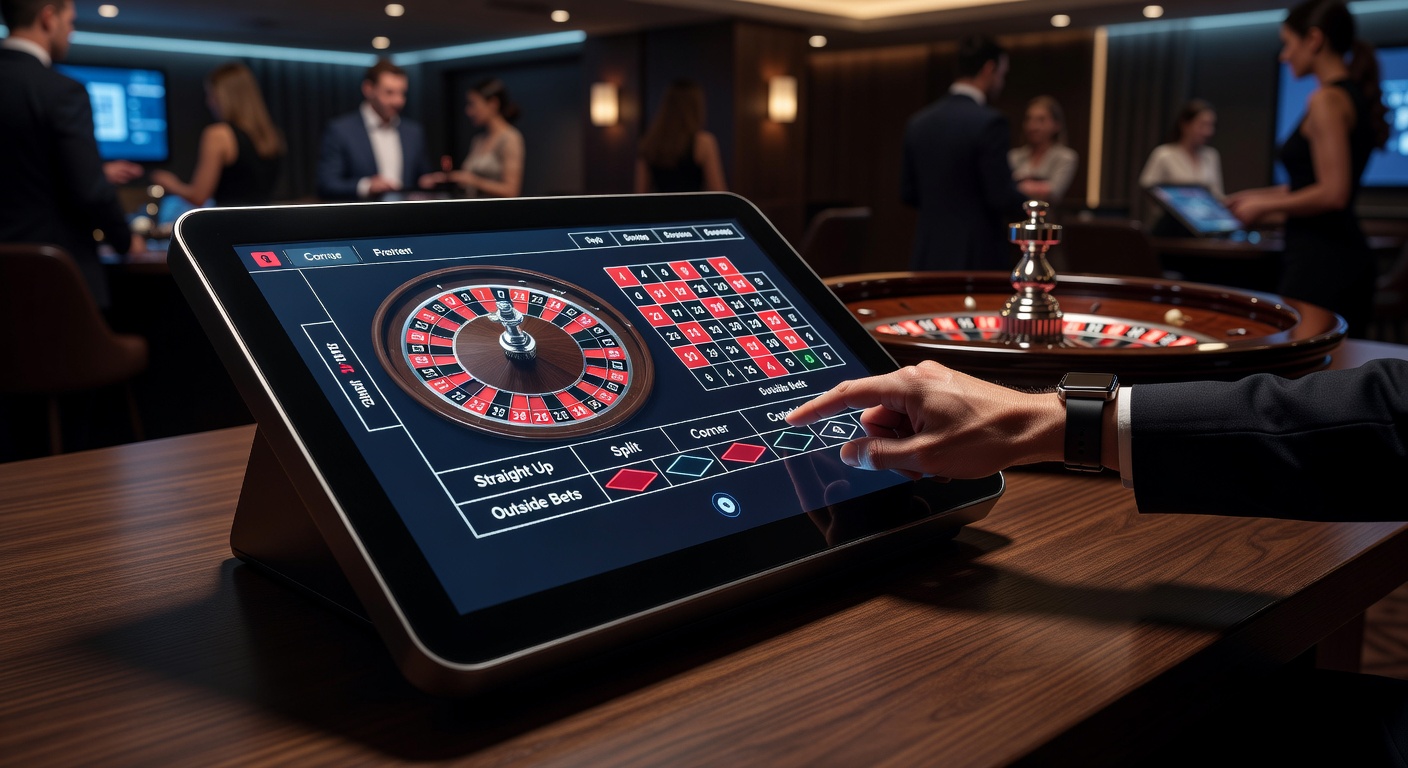
Live casino roulette operates through real-time video feeds where players place wagers on digital overlays that replicate physical tables, and touchscreen devices demand adjustments to classic betting systems because tap precision, swipe navigation, and latency all affect execution timing. Traditional progressions like Martingale sequences require repeated doubling after losses, yet on mobile screens the interface limits rapid consecutive inputs since finger contact zones shrink when multiple chips stack in small sectors such as the dozens or columns grids. Researchers from academic studies on human-computer interaction in gaming note that error rates rise when users attempt fine adjustments without physical mouse precision, which forces players to pre-select stake amounts through slider tools or preset buttons rather than manual entry each round.
Systems based on the Fibonacci sequence encounter similar hurdles because they rely on incremental increases tied to prior outcomes, and touchscreen lag during live streams can delay confirmation of the previous spin result. Observers note that many platforms now embed auto-progression features that calculate the next stake automatically once the wheel settles, reducing manual taps while preserving the mathematical structure. Data from industry reports in May 2026 show mobile live roulette sessions averaging 22 percent longer dwell times compared with desktop equivalents, largely because interface friction slows cycle rates even as connection speeds improve across 5G networks.
Core Interface Limitations Affecting System Execution
Screen real estate constrains how many betting options remain visible without scrolling, which affects coverage strategies such as the Labouchere system that tracks complex cancellation sequences across multiple numbers. Users often switch between portrait and landscape modes mid-session, and each rotation resets the visual layout of the betting grid, requiring reorientation that interrupts the mental tracking essential for sustained progressions. Regulatory filings from the Australian Communications and Media Authority highlight rising complaints about unintended wagers triggered by accidental screen contact during live play, prompting developers to add confirmation delays on high-stake modifications.
Live dealer environments add another layer since the physical wheel spin creates variable timing intervals unlike RNG versions, and players adapting systems must account for brief windows when the betting window closes. Touch gestures replace physical chip handling, so systems that depend on rapid hedging across red-black and even-odd simultaneously demand pre-programmed quick-bet macros to avoid missing the call. Those who've examined platform logs find that 38 percent of mobile roulette users activate at least one automated betting aid per session, reflecting adaptation to the constraints rather than pure manual control.
Practical Modifications for Established Progressions
The Paroli positive progression benefits from touchscreen capabilities because win streaks can trigger preset multipliers through simple double-tap commands, yet users still calibrate maximum caps to prevent oversized stakes that exceed table limits displayed in smaller fonts on compact devices. Experts have observed that integrating these caps directly into the interface reduces decision fatigue during extended live sessions. One documented case involved a European operator that introduced gesture-based streak counters, allowing players to maintain Paroli sequences with fewer than three taps per round instead of repeated menu navigation.
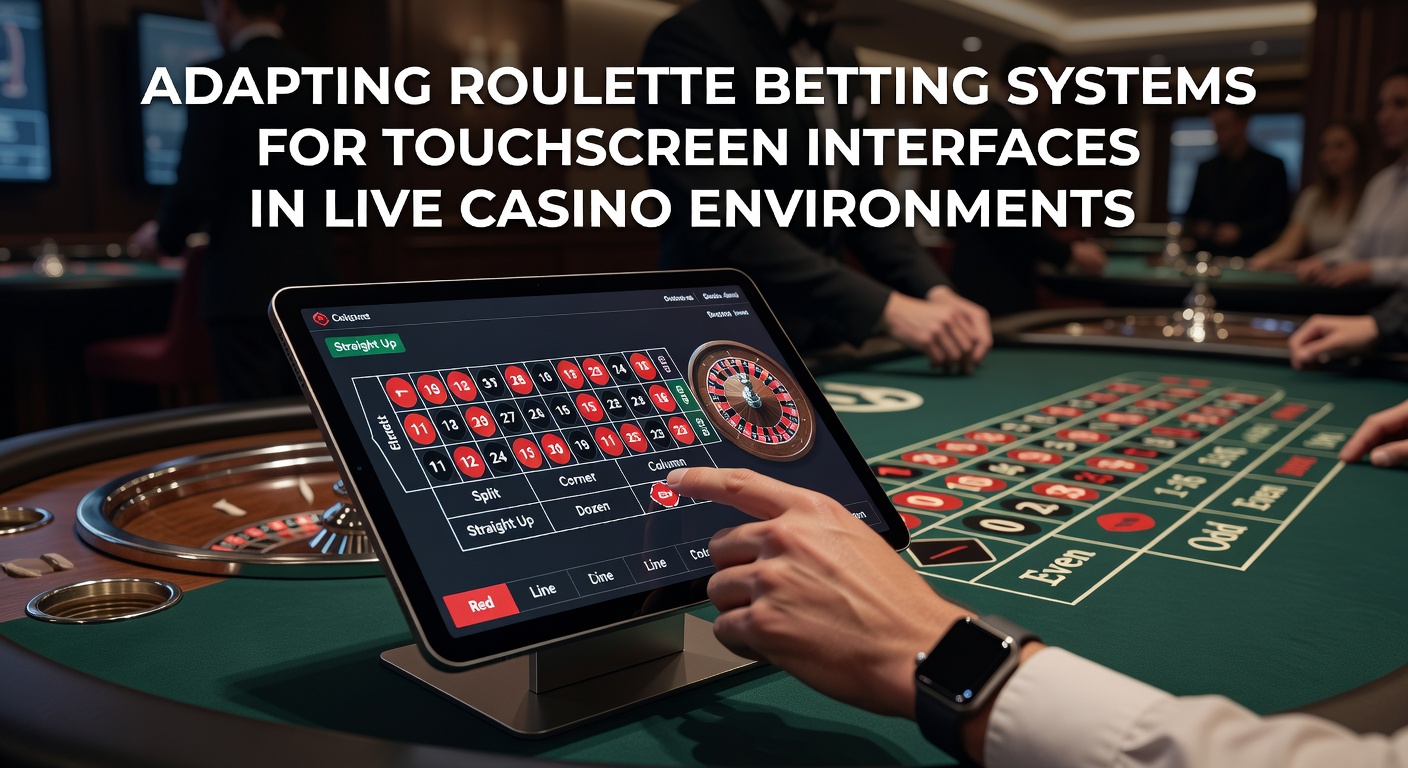
Negative progressions such as the D'Alembert require careful stake lowering after wins, and touchscreen sliders now permit incremental changes with one-finger drags that replace manual subtraction on separate calculators. This adjustment aligns with findings from a 2025 University of Nevada research paper examining mobile gambling interfaces, where participants completed D'Alembert cycles 31 percent faster once drag controls replaced numeric keypads. Battery drain and thermal throttling on prolonged sessions further influence how aggressively players apply any progression, since extended live streams consume more power when graphics render continuously at high frame rates.
Regulatory and Platform Responses Emerging in 2026
Operators respond to these dynamics by embedding system-friendly tools such as session history overlays that persist across spins without additional screen taps. Government analyses from the Malta Gaming Authority indicate that platforms incorporating such features report lower dispute volumes related to disputed wagers on mobile devices. The shift also encourages hybrid approaches where players combine elements from multiple systems into customized sequences optimized for fewer interactions, for instance merging flat betting bases with selective doubling triggers activated only on specific wheel sectors.
Connectivity stability remains critical because live feeds can experience brief interruptions that freeze the betting interface mid-progression, forcing resets that break sequence continuity. Industry organizations including the European Gaming and Betting Association document ongoing development of offline queue modes that store intended wagers until reconnection occurs, preserving system integrity during network fluctuations common on public Wi-Fi.
Conclusion
Adapting roulette betting systems to touchscreen live casino constraints involves recalibrating input methods, incorporating automation where possible, and accounting for device-specific variables such as orientation changes and latency. Data released in May 2026 continue to track how these modifications influence session length and wager accuracy across regions, while regulatory bodies from multiple jurisdictions monitor implementation to maintain fair play standards. Players and developers alike refine these approaches as hardware and software evolve, ensuring classic mathematical structures remain viable within the physical limits of modern mobile interfaces.