Decoding Mobile Roulette Touchscreen Loops for Real-Time Pattern Spotting
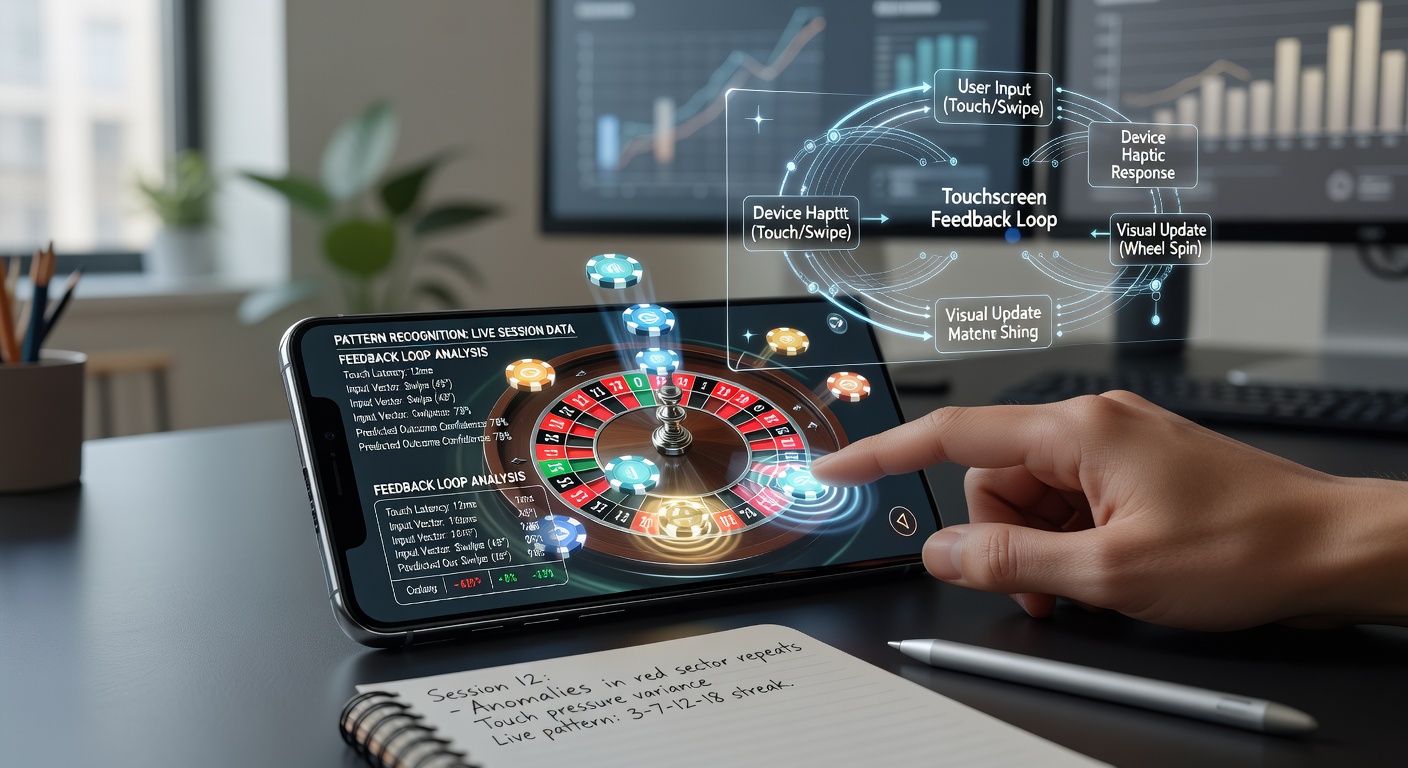
Touchscreen feedback loops in mobile roulette applications operate through continuous cycles of user input, device response, and data interpretation that enable players to identify sequences during live dealer sessions, and researchers have documented these mechanisms in detail across multiple device platforms since the expansion of mobile gaming interfaces.
Devices register finger pressure, swipe velocity, and tap duration while the application translates those signals into betting actions or interface adjustments, and this exchange creates loops where visual or haptic outputs immediately influence subsequent inputs from the user. Data from industry reports shows that haptic motors in modern smartphones deliver precise vibrations timed to wheel spins or outcome reveals, which in turn help users maintain focus on emerging number clusters or color runs without shifting attention away from the live stream.
Core Components of Touchscreen Feedback in Roulette Apps
Visual overlays update in real time as players place chips through drag-and-drop gestures, and the screen confirms each placement with color shifts or brief animations that reinforce the chosen betting positions. Audio cues often accompany these changes, yet the primary loop remains tactile because vibration patterns differ based on whether a bet lands on a single number or covers a broader section of the layout.
Studies from the University of Las Vegas gaming technology lab indicate that consistent feedback timing reduces input errors by measurable margins during extended sessions, and developers integrate these elements to match the pace of live dealer rotations. When the roulette wheel slows after each spin, the application may adjust sensitivity thresholds so that lighter touches register more readily for quick adjustments to pending bets.
Pattern Recognition Through Repeated Interaction Cycles
Users who engage repeatedly with the same interface begin to associate specific vibration lengths with particular outcome types, and this association supports quicker identification of short-term trends such as consecutive red appearances or clustering around certain number ranges. The loop closes when the player modifies a gesture in response to the feedback, which then alters how the application processes the next command and displays updated statistics.
Live sessions add another layer because the video feed from the physical table syncs with these digital responses, creating a combined signal set that observers note helps some participants track dealer release patterns or ball trajectory tendencies. Software logs from major platforms reveal that sessions exceeding forty minutes show increased use of gesture variations, suggesting players refine their input methods as they detect recurring sequences.
Technical Implementation Across Device Types
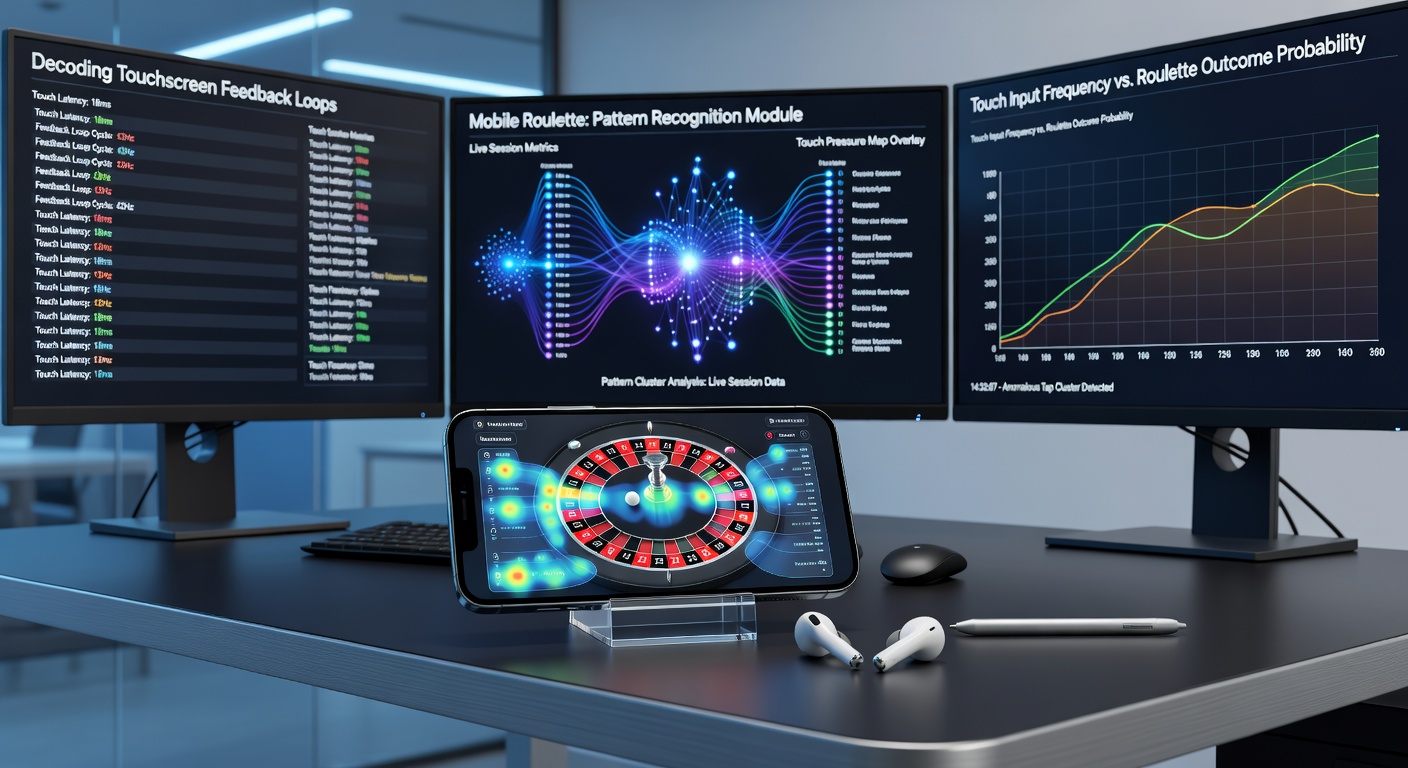
Android and iOS platforms handle pressure sensitivity differently, with some models supporting variable force detection that apps map to bet sizing controls, and this variation means the same roulette title can produce distinct feedback experiences depending on the hardware. Developers adjust loop parameters through firmware updates, and one notable adjustment cycle occurred ahead of May 2026 when several providers aligned vibration profiles with new chipset standards for smoother synchronization during high-traffic live events.
Regulatory bodies such as the Nevada Gaming Control Board require transparency in how these systems log user interactions, ensuring that feedback mechanisms do not alter game outcomes while still supporting the data collection needed for pattern monitoring tools. Canadian provincial oversight agencies have issued similar guidelines that emphasize clear separation between interface responses and random number generation processes.
Integration With Live Dealer Environments
Live streams transmit outcome data to the mobile client within milliseconds, allowing the feedback loop to reflect actual wheel results rather than simulated ones, and this real-time linkage lets players test hypotheses about dealer habits through repeated gesture adjustments. Touch coordinates on the betting grid can trigger secondary displays that highlight historical frequencies, closing another loop where visual confirmation encourages further exploration of detected patterns.
Industry organizations including the European Gaming and Betting Association have published technical briefs outlining best practices for latency management in these environments, and those documents stress that stable connections preserve the integrity of the feedback cycle. When network conditions fluctuate, applications often throttle haptic intensity to maintain responsiveness, which in turn affects how users perceive emerging sequences.
Future Developments in Feedback Loop Design
Engineers continue to experiment with adaptive algorithms that learn individual touch styles over multiple sessions and adjust confirmation signals accordingly, and early trials indicate these systems can shorten the time required for players to recognize stable patterns in live roulette results. Academic papers from institutions in Australia have examined similar adaptive interfaces in other real-time applications, providing models that gaming developers adapt for mobile roulette contexts.
Hardware advances such as under-display actuators promise finer spatial resolution in vibrations, which could allow distinct tactile signatures for different wheel sectors and thereby enrich the data available for pattern recognition. Observers note that such refinements will require updated compliance checks from regional authorities to confirm they remain neutral to game fairness.
Conclusion
Touchscreen feedback loops in mobile roulette combine hardware sensors, software timing, and live data feeds into cycles that support real-time pattern detection during active sessions, and ongoing refinements in device capabilities continue to shape how these interactions evolve. Regulatory frameworks across multiple jurisdictions maintain oversight to ensure these tools enhance user experience without influencing underlying probabilities, while technical documentation from research bodies offers detailed maps of current implementation standards.